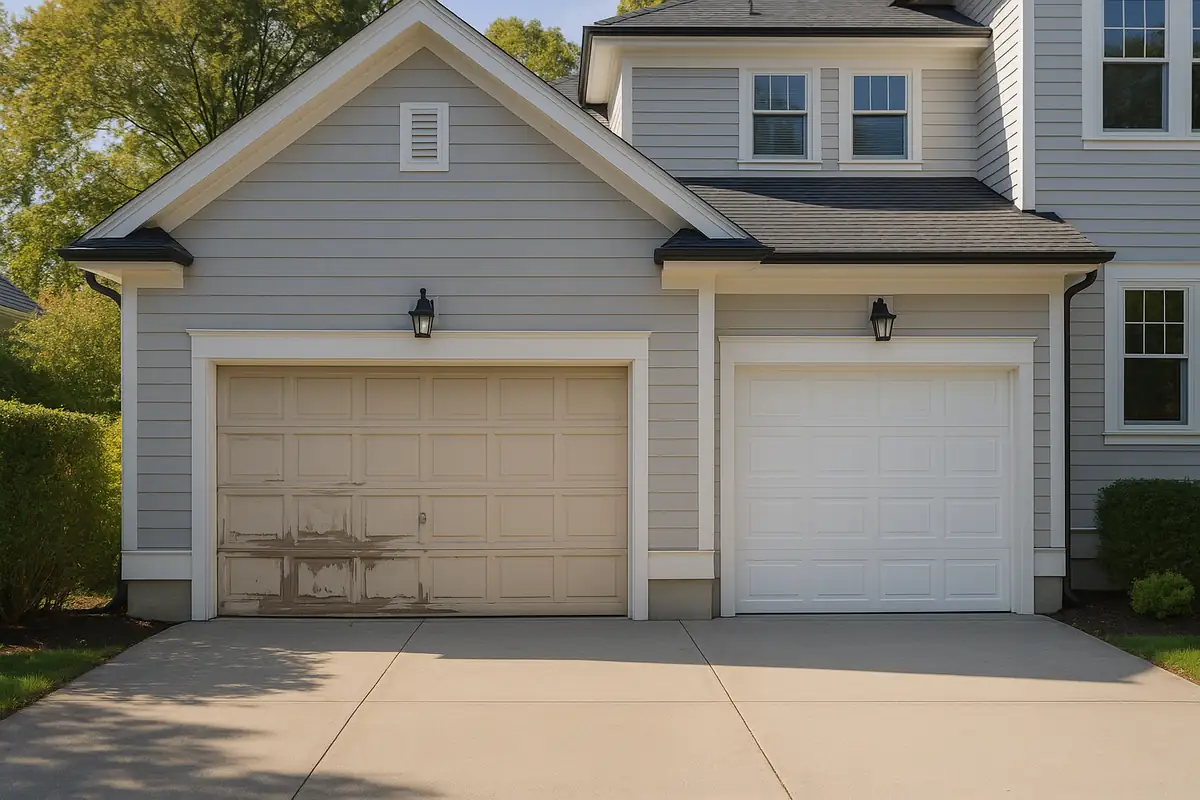
Energy Efficiency and Your Garage Door: A Guide by Action Garage Door Repair & Systems

Why Energy Efficiency Matters for Your Garage Door
In today's world, energy efficiency is more than just a trend; it is a necessity. Homeowners in Austin, TX, are increasingly looking for ways to reduce their energy bills and lower their carbon footprints. Did you know that your garage door can significantly influence your home's overall energy efficiency? The way your garage door is constructed, insulated, and maintained can make a big difference in how much energy you consume. In this guide, we will explore how to enhance the energy efficiency of your garage door and why it matters.
Understanding the Role of Garage Doors in Energy Efficiency
Your garage door is not just an entry point; it is a barrier that can influence heat loss and gain in your home. According to the U.S. Department of Energy, around 20% of a home’s heat loss can occur through uninsulated garage doors. For homeowners in Austin, TX, where summers can be scorching and winters chilly, ensuring that your garage door is energy-efficient is crucial.
How Garage Doors Affect Home Temperature
Here’s how your garage door can impact your home’s temperature:
- Insulation Quality: Garage doors with poor insulation allow heat to escape during winter and let heat in during summer.
- Sealing Gaps: Gaps around the door can let in drafts, leading to higher heating and cooling costs.
- Material: Different materials have varying insulating properties which can affect energy consumption.
Choosing the Right Garage Door for Energy Efficiency
When considering a new garage door, energy efficiency should be a top priority. Here are some key factors to consider:
1. Insulation Ratings
Garage doors come with an R-value, which measures the door’s insulating capability. A higher R-value indicates better insulation. For optimal energy efficiency, choose a garage door with an R-value of at least 10.
2. Material Matters
The material of your garage door greatly affects its energy efficiency:
- Steel: Durable and often available with insulation options.
- Wood: Provides natural insulation but requires more maintenance.
- Fiberglass: Resistant to dents and rust, often providing good insulation.
3. Windows and Glazing Options
If you opt for a garage door with windows, make sure they are double-paned for better insulation. Energy-efficient glazing can also prevent heat loss.
Maintaining Your Garage Door for Optimal Energy Efficiency
Regular maintenance can enhance the energy efficiency of your garage door. Here are some practical tips to keep in mind:
- Inspect Seals and Weatherstripping: Check the seals and weatherstripping around your garage door for wear and tear. Replace any damaged sections to prevent drafts.
- Lubricate Moving Parts: Regularly lubricate the hinges, rollers, and tracks to ensure smooth operation and prevent energy loss due to friction.
- Keep It Clean: Clear debris from the tracks and door surface to prevent operational issues that could compromise energy efficiency.
Potential Upgrades for Enhanced Energy Efficiency
If you are serious about improving your garage door's energy efficiency, consider these upgrades:
- Adding Insulation: If you have an uninsulated door, adding insulation can significantly improve energy retention.
- Smart Garage Door Openers: Consider installing a smart garage door opener that lets you monitor and control your garage door remotely, ensuring it is closed when not in use.
- Regular Professional Inspections: Schedule annual inspections with a professional service like Action Garage Door Repair & Systems to identify hidden issues.
Statistics on Energy Efficiency and Garage Doors
Understanding the impact of energy-efficient garage doors can motivate homeowners to take action:
- Homes with insulated garage doors can save up to 20% on energy costs annually.
- According to the U.S. DOE, replacing a non-insulated garage door with an insulated one can result in a savings of approximately $250 per year.
- Properly sealing your garage can improve your home's overall energy efficiency by up to 15%.
Conclusion: Take Action Today!
Energy efficiency is not just about saving money; it’s about creating a comfortable living environment in your home. Your garage door plays a pivotal role in this equation, and making informed choices can lead to significant savings. Whether you’re looking to replace your garage door or maintain your existing one, Action Garage Door Repair & Systems is here to help you navigate your options and implement effective solutions. Contact us today for a consultation!
Explore More Resources
Related Articles
Service Areas
We proudly serve Austin, Rollingwood, West Lake Hills, Sunset Valley, Pilot Knob and more areas.
Our Services
Professional garage door repair, spring repair, opener installation and more. View all services →

Robert J.
View full profile
How to Program Your Garage Door Remote: A Complete Guide by Action Garage Door Repair & Systems
Signs Your Garage Door Opener Needs Replacement - Action Garage Door Repair & Systems